US Air Force Scrambles Fighter Jets in Face of Russian Intrusion! Find Out What Happened Next!
Seite 2 / 2
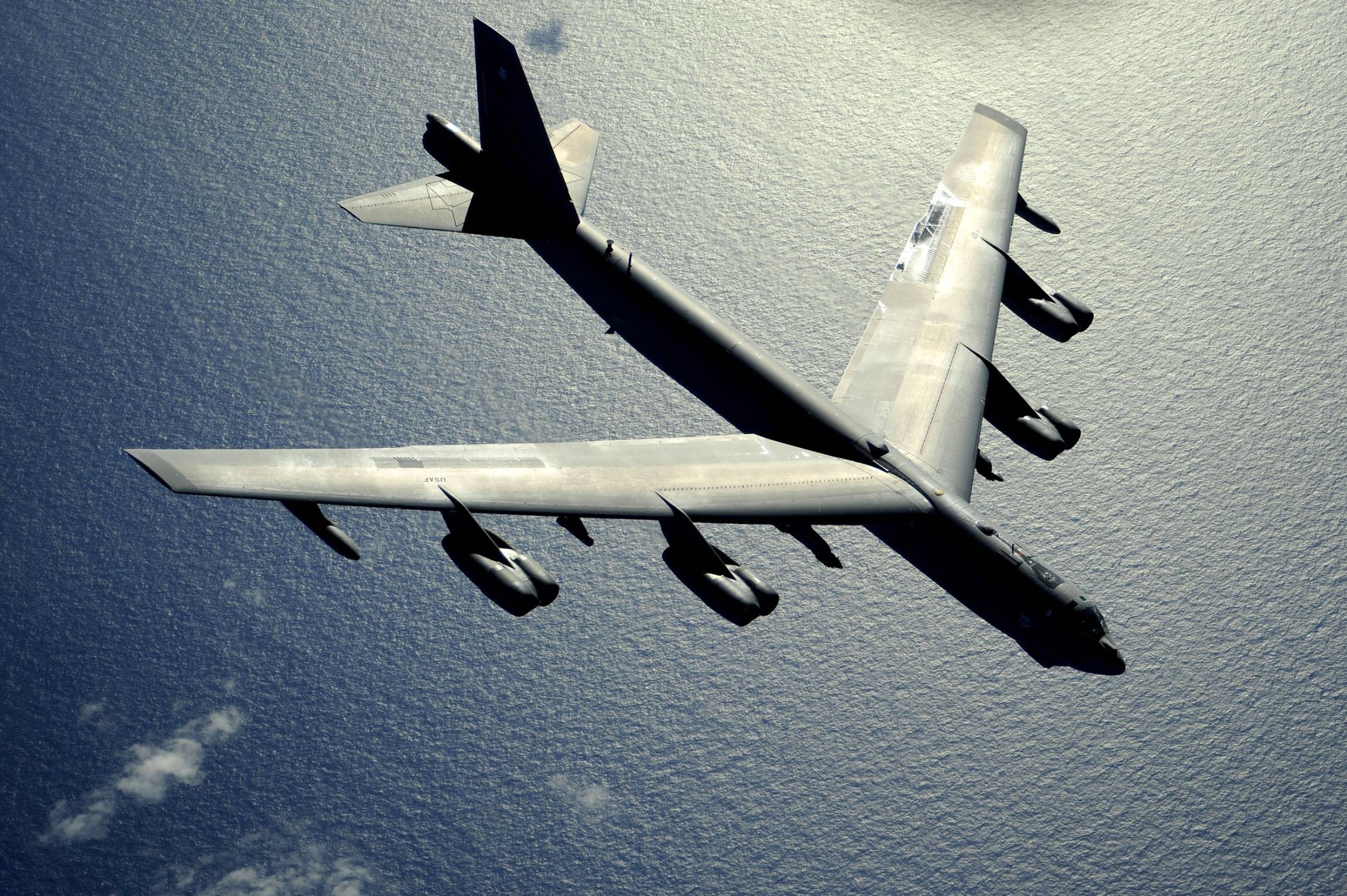
Stars (2 / 1) 11.01.2026 14:39 / Angela Symbolbild imago
The North American Aerospace Defense Command (NORAD) reported that the Russian aircraft lingered in the identification zone for over three hours. In response, the US Air Force dispatched a total of ten aircraft, including four Lockheed Martin F-16C Fighting Falcons and two F-35A Lightning II, stationed in the region. Support was also provided by three KC-135 tankers and an E-3 Sentry for coordination. While the Russian aircraft did not penetrate the direct US airspace and were not classified as a threat, the identification of these aircraft was essential for reasons of national security.
Reminders of Past Encounters
This incident evokes memories of a riskier event in September of last year. At the time, a Russian fighter jet had flown a maneuver classified as "unsafe and unprofessional" against an accompanying US F-16. US General Gregory M. Guillot, commander of NORAD, then described the behavior of the Russian pilot as dangerous for all parties involved and not up to the standard of a professional air force.